
When Good Budgets Go Bad
Your PPC campaign launched three days ago. Impressions are climbing. Clicks are rolling in. But here’s what keeps you up at night: conversions aren’t following. Your budget drains faster than expected, and ROI feels like a distant dream.
You’re not alone. PPC campaigns can deliver an average 200% ROI when optimized correctly, but many fall short. Small errors—misaligned targeting, weak ad copy, broken tracking—can drain budgets in days while delivering minimal results.
About 80% of businesses depend on pay-per-click advertising to grow. Global digital ad spend keeps rising, with brands investing billions into search, social, and programmatic channels. Yet a significant percentage of campaigns fail to meet objectives, often due to preventable mistakes rather than lack of strategy or budget.
This article reveals the most common PPC mistakes sabotaging performance. You’ll discover actionable fixes that turn costly experiments into reliable, ROI-driving engines. Let’s dig into what’s really happening with your campaigns.
Budget Killers You’re Probably Making
Even experienced marketers fall into traps that silently erode PPC performance. Understanding these pitfalls saves time and money.
Targeting the Wrong People
Incorrect audience segmentation wastes impressions and clicks. Running a local service campaign but targeting nationwide? You’re paying for traffic that rarely converts. A yoga studio in Austin doesn’t need clicks from Seattle.
Refine audience definitions continuously. Use lookalike audiences, custom segments, and geo-targeting to focus spend on high-potential groups. Your budget should reach people who can actually buy from you.
Ignoring Negative Keywords
Your ads appear for irrelevant searches when you skip negative keywords. Costs inflate with zero return. A business selling premium headphones might accidentally pay for clicks from people searching “free headphones” or “cheap earbuds.”
Audit search terms regularly. Add negative keywords to capture only meaningful traffic. This single action can cut wasted spend by 20-30%.
Writing Bland Ad Copy
Perfect targeting fails when messaging doesn’t resonate. Generic, uninspiring, or misleading copy suffers from low click-through rates and poor engagement.
The average search ad CTR across all industries is 3.52%. Beat that benchmark by A/B testing headlines and descriptions. Emphasize value propositions. Align ad messaging with search intent. Dynamic creative optimization tools help tailor messaging at scale.
Overlooking Quality Scores
Google Ads assigns Quality Scores from 1-10 at the keyword level. A good Quality Score is typically 7 or higher, leading to lower CPC and better ad placements. Low scores increase cost-per-click and reduce ad visibility.
Landing pages must align with ad messaging. They should load quickly and provide clear conversion paths. Higher ad quality generally leads to better performance, including better ad positions and lower costs.
Bidding Blindly
Overbidding on low-value or high-competition keywords drains budgets without generating meaningful conversions. Underbidding on high-performing keywords risks losing valuable traffic.
Use automated bidding strategies, but track performance metrics closely. Reallocate spend toward campaigns and keywords delivering measurable business impact. Balance is everything.
The Subtle Mistakes Most Marketers Miss
Basic pitfalls get plenty of attention. These subtler mistakes quietly sabotage performance and require deeper analysis.
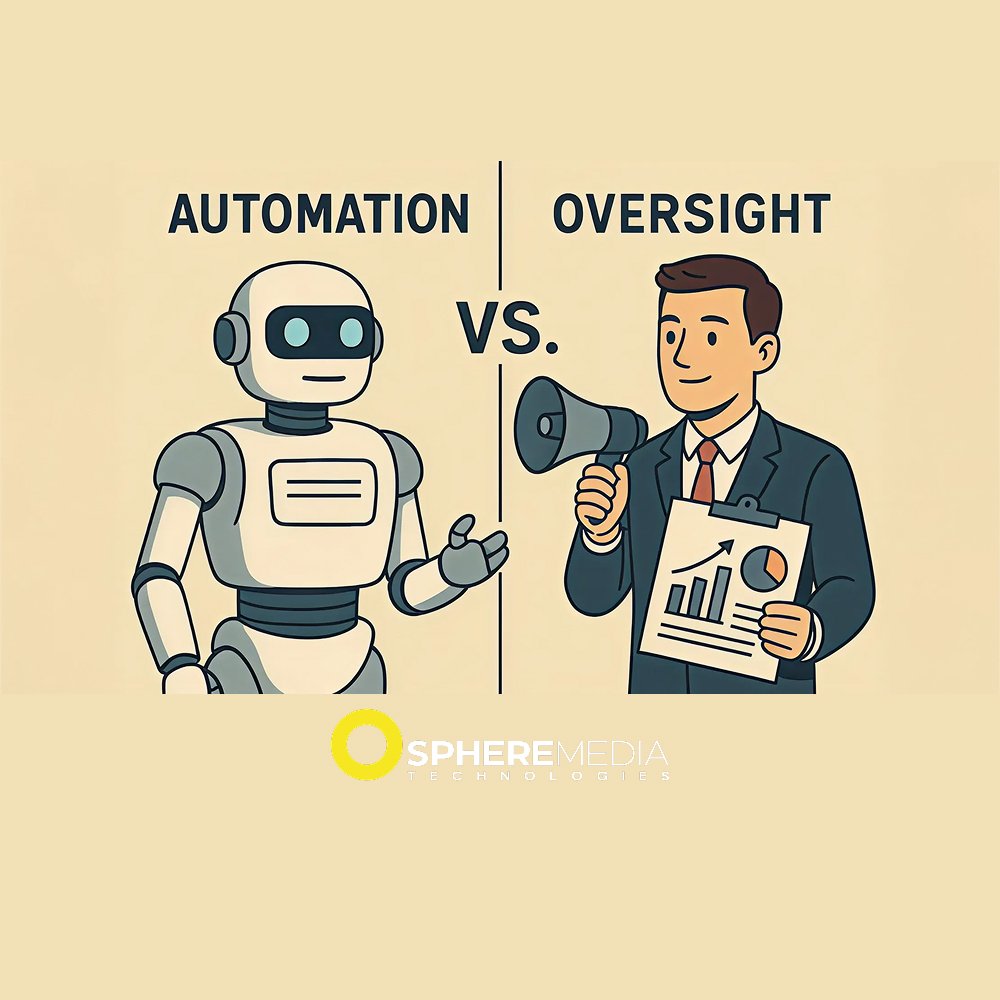
Trusting Automation Too Much
Automated bidding strategies like Target CPA or Maximize Conversions save time. Assuming they always optimize perfectly is risky. Market fluctuations, competitor activity, or seasonal changes can lead to over- or under-spending.
Monitor regularly. Adjust when algorithms drift from business goals. Automation is a tool, not a replacement for strategy.
Skipping Ad Extensions
Ad extensions—sitelinks, callouts, structured snippets—can significantly boost CTR. Many marketers neglect them. Dynamic creatives that adjust messaging based on audience or context remain underutilized.
Test different extensions and creative variations. You’ll uncover hidden opportunities to improve engagement and conversion.
Missing Device and Demographic Insights
Performance varies across devices, age groups, and geographic segments. Mobile users may convert differently than desktop users. Certain age brackets may engage more with specific ad formats.
Segment performance data. Optimize accordingly. You might discover that mobile drives 70% of clicks but desktop delivers 80% of conversions. That insight changes everything.
Breaking Your Tracking
Accurate tracking measures true campaign effectiveness. Common errors include incorrect pixel placement, broken event tracking, or using last-click attribution exclusively.
These misconfigurations distort ROI calculations and lead to misguided optimizations. Set up robust tracking covering multiple touchpoints. Consider cross-channel attribution models.
Ignoring the Full Customer Journey
Many campaigns focus solely on lower-funnel conversions like purchases or sign-ups. They ignore upper-funnel objectives like awareness or consideration.
Campaigns neglecting brand-building efforts risk short-term gains at the cost of long-term growth. Align ad messaging and bidding strategies with the full funnel. Sustained engagement and better lifetime value follow.
Platform-Specific Traps to Avoid
Each advertising platform has unique quirks. Understanding platform-specific pitfalls prevents wasted spend.
Google Ads Mistakes
Search campaigns: Overbidding on low-intent keywords wastes money. A retail brand might overspend on generic terms like “shoes” instead of focusing on relevant long-tail phrases like “women’s running shoes under $50.” Neglecting negative keywords and ignoring quality score optimization are common failures.
Display campaigns: Display ads underperform due to misaligned audience targeting or poor creative. Running static banners without testing formats, targeting overly broad audiences, or ignoring placements that drive actual engagement kills performance.
Meta Ads Pitfalls
Pixel misconfigurations: Incorrect or incomplete pixel setup prevents accurate conversion tracking. Campaigns optimize toward wrong objectives.
Improper custom audiences: Overlapping audiences or failing to refresh lists regularly results in ad fatigue or missed targeting opportunities. A brand targeting previous purchasers without updating the audience oversaturates the same users, lowering engagement rates.
LinkedIn Ads Issues
Overspending on broad targeting: LinkedIn campaigns become expensive when targeting broad job titles or industries without segmentation. High CPCs with minimal conversions follow.
Underusing lookalike audiences: Failing to leverage LinkedIn’s matched audiences or similar targeting options means missing high-value prospects similar to existing customers.
TikTok Ads Problems
Ignoring creative testing: TikTok thrives on short-form, engaging content. Running repetitive or unoptimized creatives leads to low engagement.
Broad targeting mistakes: Without leveraging TikTok’s algorithmic recommendations or interest-based targeting, campaigns reach audiences unlikely to convert. Costs inflate.
Real examples prove this. A B2B company on LinkedIn spent thousands targeting all “Marketing Managers” but achieved 0.5% CTR. After refining to job seniority and company size, CTR jumped to 2.8% with better lead quality.
A DTC brand on Meta had misconfigured pixels and didn’t know most purchases came from mobile. After fixing the setup, conversion tracking improved. The algorithm optimized better, reducing cost-per-acquisition by 35%.
How to Audit Your Campaigns Like a Pro
Systematic campaign audits uncover inefficiencies, improve performance, and maximize ROI. Review both quantitative metrics and qualitative insights.
Review Core Metrics
Click-through rate (CTR): Low CTR signals weak ad copy, irrelevant targeting, or unappealing creative. The average CTR for paid search ads on Google Ads is between 4-6%. Compare CTRs across ad groups and platforms to spot underperforming segments.
Cost-per-click (CPC) and cost-per-acquisition (CPA): High CPC or CPA indicates inefficient bidding strategies, poor targeting, or low quality scores. Look for trends by keyword, placement, or audience segment.
Conversion rate and ROAS: Campaigns generating clicks but low conversions may suffer from misaligned messaging or unoptimized landing pages. Evaluate whether traffic aligns with your intended audience’s intent.
Identify Wasted Spend
Review negative keywords and placements to detect irrelevant clicks or impressions. Examine ad groups or campaigns that consistently underperform relative to cost. Consider pausing or restructuring them.
Detect seasonal or geographic inefficiencies where ads underperform. Adjust targeting accordingly.
Use the Right Tools
Google Ads Insights: Use the recommendations tab, search terms report, and auction insights to find underperforming keywords or overlapping targeting.
Meta Ads Manager: Analyze ad relevance diagnostics, frequency, and audience overlap to detect ad fatigue or misaligned targeting.
Third-party analytics: Platforms like SEMrush, WordStream, or HubSpot provide performance comparisons, automated insights, and trend detection across multiple campaigns.
Spot Pattern Problems
Creative fatigue: Repetitive ads with declining CTR and engagement indicate audiences are overexposed to the same messaging.
Audience misalignment: If a particular segment consistently underperforms, it signals targeting misfit or the need for updated audience research.
Keyword cannibalization: Competing ad groups bidding on similar keywords drive up CPCs unnecessarily.
Landing page disconnect: High traffic but low conversions reveal a gap between ad promises and landing page content.
Regular audits using these methods help you diagnose issues early and make data-driven adjustments.
Fixing What’s Broken
Once you’ve identified campaign mistakes, implement targeted fixes that address root causes.
Sharpen Your Targeting
Refine audiences: Analyze demographic, interest, and behavior data to eliminate irrelevant segments. Focus on high-intent users.
Adjust geo-targeting: Serve ads only in locations where your audience exists or is most likely to convert. Reduce wasted spend.
Implement retargeting: Capture users who interacted with your brand but didn’t convert. Dynamic retargeting increases efficiency and ROI.
Test Creative Relentlessly
A/B test ad copy: Try variations in headlines, descriptions, and calls-to-action. Determine which messaging resonates best.
Experiment with visuals: Compare images, video snippets, or carousel layouts. Identify which creative drives higher engagement and CTR.
Use dynamic optimization: Serve the most effective creative combinations automatically based on audience and placement performance.
Fix Your Tracking
Verify setup: Ensure pixels, tags, and event tracking work correctly across platforms and landing pages.
Review attribution models: Align your reporting model (first-click, last-click, or data-driven) with campaign objectives. Avoid misleading insights.
Identify funnel gaps: Track user behavior from ad interaction to conversion. Spot where drop-offs occur and adjust campaigns.
Optimize Budget Allocation
Reallocate spend: Shift budget toward high-performing campaigns, ad sets, or keywords. Reduce investment in underperforming segments.
Adjust bidding: Implement bid caps or performance-based automated bidding to control costs while maintaining competitiveness.
Control schedule and frequency: Limit ad delivery during low-performing hours or to overexposed audiences. Maximize efficiency.
Leverage Automation Smartly
Monitor automated bidding: While automated bids save time, continuous oversight prevents overspending or missed opportunities.
Set rules and alerts: Automate pausing ads when performance dips below thresholds. Scale spend when campaigns exceed performance goals.
Integrate with analytics: Combine automation with dashboard insights to ensure AI-driven adjustments align with business objectives.
PPC traffic converts 50% better than organic traffic when optimized correctly. Regular testing, monitoring, and iteration ensure campaigns align with audience needs, budget constraints, and conversion goals.
Stop Problems Before They Start
Preventing mistakes beats fixing underperforming campaigns. A proactive approach combines regular evaluation, strategic alignment, creative innovation, and expert guidance.
Audit Regularly
Schedule reviews: Conduct weekly or monthly audits of campaign performance. Identify underperforming keywords, ad groups, or placements before they drain budget.
Use checklists: Maintain standardized checklists covering targeting, bid strategies, ad copy, landing pages, conversion tracking, and compliance. Nothing gets overlooked.
Watch for warnings: Track CTR, conversion rate, and cost per acquisition to spot declining performance early.
Refresh Creative Constantly
Rotate creatives: Avoid ad fatigue by updating visuals, copy, and formats regularly.
Test iteratively: Run A/B or multivariate tests to learn what resonates with different audience segments. Adjust campaigns dynamically.
Adapt using data: Use insights to optimize messaging, design, and calls-to-action for performance and relevance.
Align with Business Goals
Strategic alignment: Design campaigns to support overarching business objectives—brand awareness, lead generation, or conversions.
Optimize funnels: Tailor campaigns for specific customer journey stages, from awareness to retention. Maximize efficiency.
Segment audiences: Map campaigns to clearly defined audience segments. Improve targeting precision and relevance.
Partner with Experts
Leverage specialized expertise: Agencies provide access to advanced tools, industry benchmarks, and tactical know-how.
Transfer knowledge: Learn from external insights. Integrate best practices into internal workflows.
Monitor performance: Experts identify emerging trends, platform updates, and optimization opportunities you might overlook in-house.
Sphere Media combines strategic insight, creative expertise, and data-driven optimization to help brands deploy budgets more efficiently. We navigate the fragmented PPC landscape and implement campaigns that deliver measurable results.
Proactive strategies significantly reduce campaign missteps, maintain higher engagement, and achieve better ROI. The key is continuous vigilance, data-driven insights, and creative experimentation—not one-time fixes.
Turn PPC Into Your Growth Engine
PPC advertising delivers measurable results when managed carefully. Avoiding mistakes matters as much as having robust strategy or sufficient budget. Well-funded campaigns underperform when targeting, creative, tracking, or optimization practices are neglected.
Here’s what matters:
Mistakes cost money fast. Poor targeting, misaligned creatives, misconfigured tracking, and platform-specific errors erode ROI quickly.
Proactive management wins. Regular audits, performance monitoring, creative testing, and alignment with business goals prevent minor issues from becoming major setbacks.
Strategy beats spending. Success isn’t about how much you spend. It’s about where and how you deploy investment, and the quality of execution.
What you should do now:
Audit your campaigns. Review current PPC efforts to identify underperforming elements, wasted spend, and opportunities for improvement.
Implement fixes immediately. Apply targeted adjustments in creative, audience segmentation, bidding strategies, and measurement setup.
Make optimization ongoing. Performance reviews, creative refreshes, and data-driven testing should be regular parts of your campaign workflow.
Get Expert Help
Converting PPC from risky expenditure into a reliable growth engine often requires experienced partners. Agencies like Sphere Media bridge the gap between strategy and execution, providing actionable insights, advanced tools, and industry know-how.
We help you navigate platform complexities, avoid pitfalls, and consistently achieve ROI-driven results. Our team has managed campaigns across industries, spending levels, and objectives—and we know what separates winners from money pits.
PPC success combines vigilance, strategy, and continuous improvement. Treat mistakes as learning opportunities, not setbacks. Your campaigns can become high-performing, ROI-positive assets that drive real business impact.
Ready to stop wasting budget and start seeing results? Let’s talk.