
Picture this: You launch a paid search campaign today, but your target audience never searches for your product. They ask Google’s AI a question instead. They discover your brand through a video. They serve your ad while browsing images.
Google Marketing Live 2025 just rewrote the rules of digital discovery.
Search has evolved from something users do to something Google does for them. This shift creates massive opportunities for smart marketers who adapt quickly.
Google Flipped the Script on Search Marketing
Google Marketing Live 2025 didn’t just announce new features. The company confirmed a fundamental shift toward AI-led discovery, visual-first search, and automated ad creation.
These changes affect every business, from global corporations to local startups in Mauritius. Your brand must now compete on context, not just keywords.
AI Now Controls the Discovery Process
1. Search Becomes Answer-First
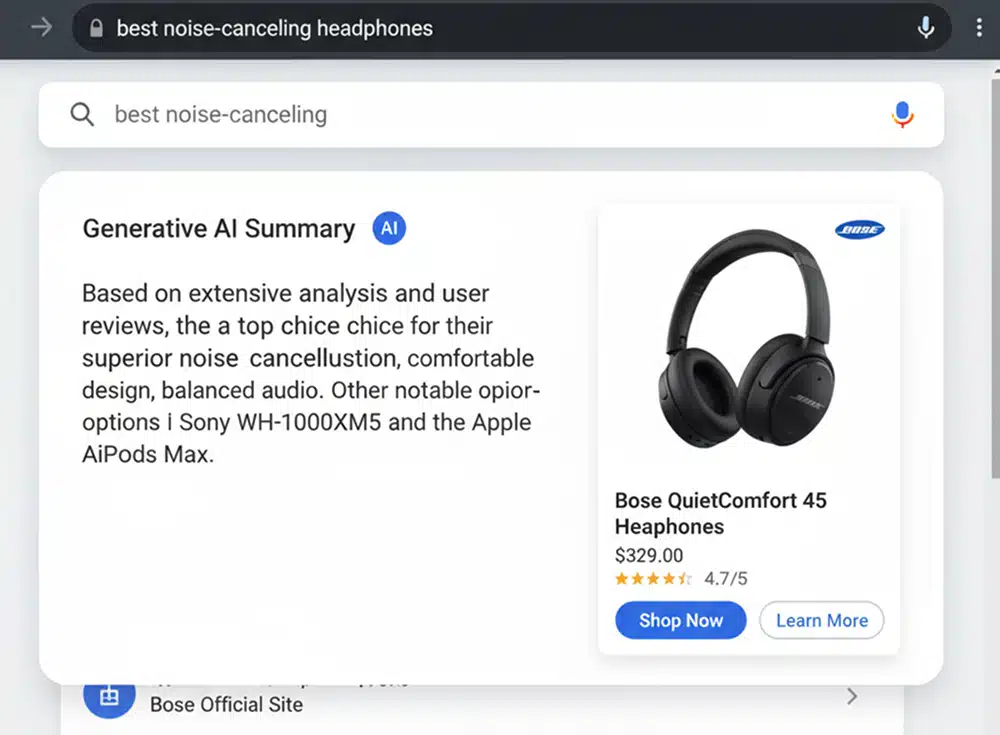
Google expanded its Search Generative Experience (SGE) across more countries and categories. Users now get AI-generated answers before traditional search results. The platform introduced AI Overview Ads that insert sponsored content directly within AI answers.
Your brand visibility depends on helping the algorithm, not just optimising for keywords. Google’s AI decides what users need before they finish typing their query.
Smart marketers must:
- Structure content for AI summarisation and citation
- Optimise product feeds with complete, semantic metadata
- Anticipate what AI determines users need, not just what they search
2. Visual Discovery Takes Center Stage
Google integrated video ads directly into Image and Lens results. The platform now auto-generates ad creatives using your existing assets, including product photos and user-generated content. YouTube Shorts expanded with shopping overlays and AI-personalized calls to action.
Users now search by screenshot, discover products through unboxing videos, and click image carousels over text links. Your creative assets have become your SEO strategy.
Key actions to take:
- Invest in high-quality, contextually rich images and videos
- Treat your product feed like your digital storefront
- Embrace short-form, mobile-native ad formats that feel organic
3. Privacy and Automation Drive New Measurement
Google upgraded Consent Mode v2 to help advertisers stay privacy-compliant in cookieless environments. Enhanced AI-powered reporting now models conversions even when tracking faces limitations. Performance Max campaigns gained multi-format creative testing and goal-based asset generation.
Google’s AI handles targeting, placement, optimization, and attribution better than manual management. However, this creates less control over targeting levers and more dependency on first-party data.
Strategic shifts required:
- Move from manual targeting to data-enriched storytelling
- Use privacy-safe signals like CRM data and consented behavior
- Treat Performance Max as a creative collaboration engine, not a hands-off tool
Intent Has Gone Underground
Traditional marketing targeted declared intent when someone typed “best wireless earbuds.” In 2025, most user journeys begin without searches.
A user screenshots a product, and Google Lens identifies it. Someone asks a broad question like “What’s a good gift for runners?” and SGE generates comparisons. A YouTube Shorts video sparks curiosity, and the user clicks without searching.
Google surfaces brands proactively based on behavioral signals, product context, and AI inference. Your brand must be contextually present wherever decisions happen.
1. Build AI-Readable Content Systems
Brands that win create coherent, consistent, and referenceable content across channels. AI surfaces brands with strong topical authority, clean structured formatting, and appearances across multiple trustworthy surfaces.
This approach requires alignment between SEO, content, and paid teams to ensure consistency across platforms.
Content optimization checklist:
- Use semantic HTML, schema markup, and structured product feeds
- Break content into clear headings, FAQs, bullets, and definitions
- Add contextual phrases like “best for,” “how to use,” “compared to”
- Include author bios, date stamps, sources, and alt text for credibility
2. Your Product Feed Becomes Your Brand Voice
Your product feed now powers AI-generated ads, shopping results, comparisons, and product summaries. Google pulls from structured data to auto-generate product highlights in AI Overviews and YouTube video ads.
Feed optimization essentials:
- Clean up product titles, descriptions, categories, and pricing
- Add attributes like color, size, material, and use-case tags
- Include high-resolution images, star ratings, and real user reviews
- Use custom labels to segment campaigns by margin and popularity
3. First-Party Data Powers Creative Intelligence
Privacy controls and automation make owned data your most valuable creative signal. Your first-party data guides everything from ad personalization to AI-generated creative variations.
Data strategy priorities:
- Double down on email capture, loyalty programs, and event tracking
- Use customer data for custom audiences and creative testing
- Ensure CRM and ad platforms communicate cleanly and frequently
Local Businesses Can Compete Globally
Small businesses in markets like Mauritius actually benefit from these AI-first changes. The shift to automated marketing systems levels the playing field when you understand algorithm dynamics.
Visibility no longer depends on budget size but on content relevance. Local brands can compete with larger players through smart structuring and clear intent signals.
Mauritius-Specific Opportunities
Many Mauritian users discover businesses through Google Lens, Maps, and image search, especially in tourism, food, retail, and services. Local businesses often use incomplete product feeds, creating opportunities for those who optimize properly.
Local optimization tactics:
- Write clear descriptions in Creole, French, or English based on audience
- Optimize for specific intent (“eco-friendly paint for schools” beats “green paint”)
- Use Google Business Profile actively with updated reviews and visuals
- Sync product catalogs properly in Google Merchant Center (it’s free)
Mauritian consumers rely heavily on word-of-mouth, visual proof, and social credibility. Focus on encouraging Google Reviews with photos, creating how-to videos, and getting listed in trusted regional directories.
Strategic Framework for 2025 Success
Modern marketing requires orchestration, not just optimization. Brands must show up wherever discovery happens – in AI summaries, video carousels, Lens-powered matches, or moments of passive intent on different platforms.
1. Campaign Strategy Evolution
Test Performance Max campaigns with diverse assets for different discovery stages. Use broad match with audience signals rather than exact-match bidding. Monitor brand appearances in SGE, AI snapshots, and Discover feeds.
Focus shifts from just ROAS to cost-per-visibility in trusted AI surfaces. You’re training Google’s AI on what your brand represents, not just bidding for clicks.
2. Creative Asset Excellence
Every image, product title, and meta description becomes a potential entry point. Use clear, benefit-led copy and authentic, diverse visuals that resonate on mobile devices. Repurpose high-performing Social Media Marketing content for Performance Max and Discovery placements.
Think like this: Can Google’s AI quote your content in an answer box? Can your visuals tell your brand story without words?
3. Integration Across Digital Channels
Success requires alignment between Website Design, Mobile App development, Creative Design, and Search Engine Optimization efforts. Your brand voice must remain consistent whether someone discovers you through AI Overview, YouTube Shorts, or Google Lens.
Channel integration priorities:
- Align messaging across website, mobile app, and social platforms
- Ensure creative assets work across multiple formats and placements
- Coordinate SEO content with paid campaign messaging
- Use integrated campaigns that span search, display, video, and shopping
The Takeaway
Google Marketing Live 2025 confirmed that marketing success depends on intelligent presence, not just search rankings. Your brand must be structured for AI, designed for visual discovery, and built on trust signals across platforms. Whether you’re a global corporation or a startup in Mauritius, visibility now depends on how smartly you show up in every moment that matters.
Sphere Media Technologies helps brands build exactly this kind of strategic presence. We’ve specialized in digital marketing since 2012, delivering profitable growth through intelligent online presence management and targeted market penetration. Our expertise spans the complete spectrum of modern marketing needs. We create content ecosystems with structured data, develop visual-first ad strategies, and build integrated campaigns that perform across AI-powered discovery channels.
Ready to transform your digital discovery strategy for the AI-first era?
Connect with Sphere Media Technologies today. Let’s build your brand’s intelligent presence across every platform where your customers discover, research, and decide.