
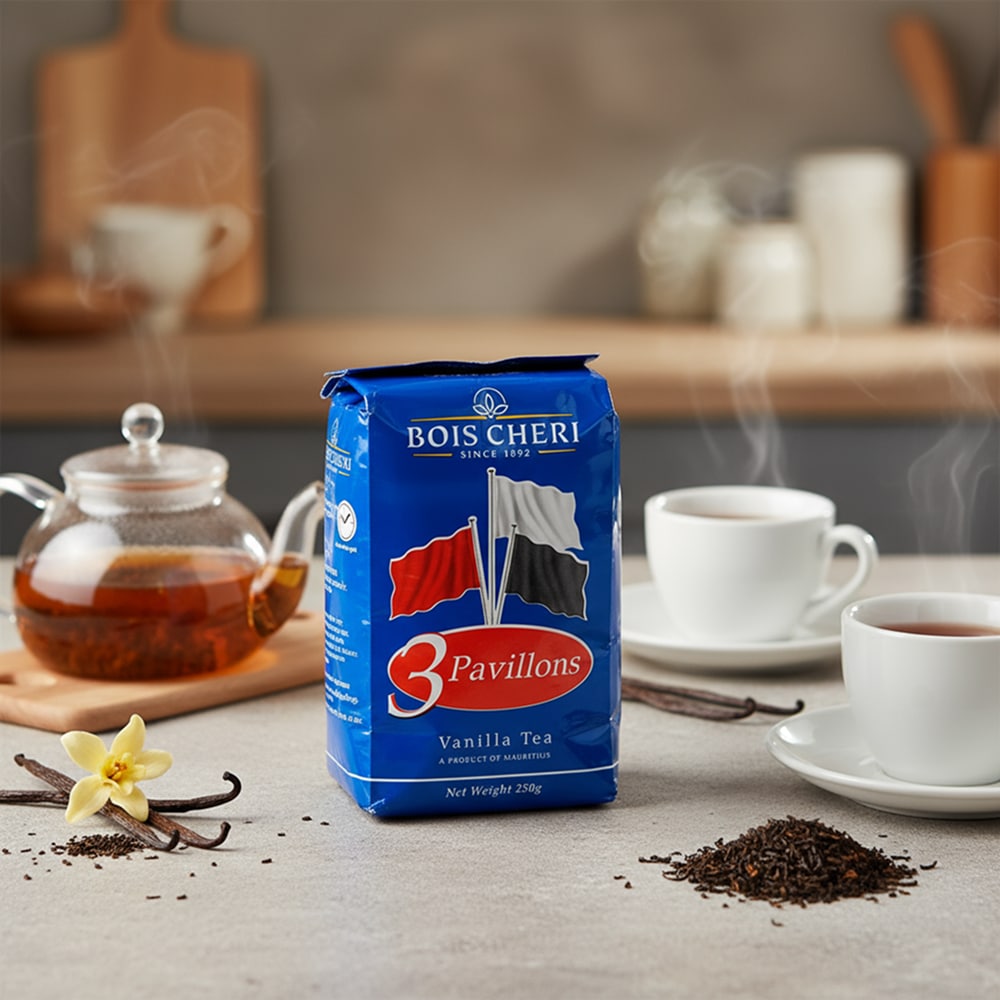
Recognition Drives Modern Marketing Success
Audiences today don’t wait to be sold to. They seek signals they recognize and trust. Aligning your brand’s identity and messaging with the cultural norms and dynamics of your market can significantly improve your brand recall and recognition.
We’ve entered recognition-led marketing territory where success depends on cultural embedding, not advertising volume. Your brand wins when people don’t need to read your name to recognize you.
Digital fatigue hits consumers with thousands of brand messages daily. The brain tunes out generic or overly complicated content. Minimalism meets memory when effective marketing shows less because it trusts audience familiarity. Memory is an underutilized element of consumer psychology, yet familiarity breeds preference through behavioral science.
A global fast-food brand recently removed its menu entirely from in-store displays. Customers walked in and ordered their usual favorites without hesitation. This demonstrates cultural imprinting in action, not just branding.
Startups and small brands in emerging economies like Mauritius can apply this lesson. Long-term brand recognition and local emotional relevance help modest brands reach the point where products do the talking.
Cultural Memory Creates Lasting Brand Connections
Marketing became a race for retention, not attention. Winning brands aren’t the loudest or most persistent. People file them away in their minds through cultural memory – collective associations, emotions, and identities attached to brands through shared experiences.
Psychology teaches us that associative memory is what allows us to learn and remember the relationship between unrelated items. People don’t buy products. They buy familiarity, identity, and meaning.
Sensory Branding Creates Deep Connections
The menu removal campaign succeeded because years of consistent sensory branding built customer memory:
- Scent engineering triggers cravings through distinctive food aromas
- Audio signatures use short, catchy jingles tied to positive emotions
- Ritual creation links brands to birthday parties, late-night meals, and after-school snacks
This wasn’t gambling – it was masterful brand trust and memory recall execution. Local cafes in Port Louis or fintech startups in Ébène can apply these principles. Consistent storytelling, visual identity, and customer promises build audience memory without constant reminders.
Memory Building Requires Time Investment
Small businesses often chase trends or push short-lived campaigns without investing in long-term brand signals. Flashy promotions bring momentary traffic but rarely stick. Quiet, repetitive cues become part of consumers’ worlds.
Cultural memory builders include:
- Voice consistency across all platforms and communications
- Distinctive assets like logos, taglines, colors, mascots, and jingles
- Purposeful repetition with useful or emotionally resonant content
- Emotional positioning that represents something people care about
Brain Science Behind Brand Memory
In order to be remembered, we need to tap into some deeper social-emotional ideas about how to communicate a message. Brands engaging multiple senses and emotions get stored in implicit memory – memories we don’t consciously recall but trigger during need moments.
Consider these memory triggers:
- Hearing soda can crackle might recall a specific drink
- Seeing particular fonts or red shades might recall local retail brands
- Getting notification tones instantly identifies specific apps
Familiar feelings become trustworthy. This matters especially in Mauritius where trust and word-of-mouth remain primary decision drivers.
Design Products That Market Themselves
Cultural memory builds on what people feel, experience, and repeat. Unforgettable brands design every detail with memory in mind. In 2025, particularly in Mauritius markets, this means thinking beyond product delivery toward designing complete branded experiences that stick and create default loyalty.
Create Signature Recognition Cues
Strong brands have signature cues – instantly recognizable, emotionally resonant elements. These live in packaging, sound, tone, store layout, Social Media Marketing posts, and customer interactions.
Essential signature elements:
- Unique color palettes (like Nespresso’s deep brown and gold)
- Distinctive product names using local Creole expressions
- Recognizable packaging shapes like hexagonal honey jars
- Consistent brand voice in captions, newsletters, and customer service
Use these cues consistently and intentionally so they become subconscious recall triggers.
Mauritian Strategy: Incorporate Creole words, local idioms, or popular phrases in content and product experiences. “Enn ti paus” (a little break) could help a tea brand create memory-linked rituals.
Engineer Memorable Moments
Design experiences where audiences feel understood, get more than expected, and associate products with specific moods or occasions. These moments can be engineered strategically.
Examples include:
- Clothing brands offering free “Weekend Styling” guides with orders
- Beauty salons providing cold towels scented with ylang-ylang
- Ecommerce brands printing funny notes using local slang in packaging
Well-designed micro-experiences become customer stories, making products market themselves.
Transform Customers Into Brand Amplifiers
Word-of-mouth marketing proves more powerful than paid campaigns in Mauritius. Create shareable experiences organically:
- Design Instagram-worthy moments through custom unboxing and quirky packaging
- Create location-specific hashtags tied to local events (#ShineWithSareeX for Diwali)
- Feature customer content through reviews, user-generated posts, and campaign inclusions
- Enable bragging rights via loyalty perks, early access, and referral rewards
Encourage customers to express brand love in local languages. Authentic cultural connection makes brands more relatable and memorable.
Real-World Cultural Memory Success Stories
Brands become unforgettable through intentional cultural embedding – visually, emotionally, and behaviorally. Iconic branding success stories understand how people remember. They don’t fight for attention; they become daily life reference points.
The Wordless Menu Campaign
A major fast-food brand removed entire menus from outdoor billboards, leaving only iconic burger photos. No text, pricing, or logos appeared. Everyone still knew the products.
This peak cultural memory demonstrates when visual elements become so embedded in public consciousness that words become unnecessary.
Lesson: Brands win when people don’t need to read names for recognition. Mauritius businesses can achieve this through distinctive dishes, bottle shapes, or radio jingle tunes.
Sensory Memory Success
Lux soap became a Mauritian staple through signature fragrance and melodic radio ads with celebrity endorsements. Lux transcended soap to represent elegance, routine, and nostalgia.
Lesson: Sensory-focused brands create stronger emotional recall. Small cues like seal pops, wrapper crinkles, or specific scents become memory components.
Local Identity Integration
Phoenix Beverages and Pearona don’t just sell drinks – they connect to local identity. Their visuals, Creole taglines, and summer campaigns align with Mauritian socializing and celebration. Consistent colors, fonts, and brand language strengthen familiarity year after year.
Cultural memory isn’t about constant novelty. It’s about doing something distinctively yours repeatedly until people associate it with life moments.
Build Cultural Recall on Any Budget
Creating instantly recognizable, emotionally connected brands sounds expensive but isn’t. Cultural memory depends on consistent communication, not spending levels. Port Louis startups, Rose Hill SMEs, or Vacoas e-commerce brands can build strong brand recall through thoughtful, strategic action.
Define Mental Brand Anchors
Identify 2-3 things people should associate with your brand every time they encounter you:
- Specific color palettes (Mauritius Telecom’s orange, SBM’s blue)
- Voice tones (playful, trustworthy, luxurious)
- Visual symbols (packaging silhouettes, product layouts)
- Audio signatures (radio jingles, notification sounds)
Pick elements you can consistently own and apply across all platforms.
Master Strategic Repetition
Branding thrives on repetition. What feels boring to you is just beginning to register with audiences. Mauritian consumers remember what they see often, not once.
Application strategies:
- Reuse taglines across Facebook ads, Website Design elements, and WhatsApp replies
- Apply consistent fonts and colors on all carousel posts
- Use core messages repeatedly for months, not just single campaigns
Don’t change branding quarterly. Cultural memory builds over time, not through trendy pivots.
Leverage Local Cultural Cues
Mauritian brands have advantages through diverse, vibrant, multilingual culture. Tap into this effectively:
- Use resonant Creole phrases (“alé alé”, “zot mem sa”)
- Incorporate local foods, celebrations, or humor in visuals
- Spotlight real customer stories over polished stock images
Familiar content gets remembered and shared more frequently.
Maintain Emotional Consistency
What feeling should your brand leave after every interaction? Reassurance? Excitement? Belonging? Elegance?
Let chosen emotions guide:
- Instagram captions and customer service tone
- Event experiences and Website Design language
- Creative Design choices and Mobile App interfaces
People remember how you made them feel, not what you said. Cultural recall roots in emotional consistency.
Use Professional Tools Smartly
Build polished, recognizable brands without huge agency budgets:
- Canva for consistent visual templates
- Project management tools for brand voice documentation
- Meta Business Suite for content testing and scheduling
- Sphere Media Technologies for local insights, brand positioning, and omnichannel strategies
Well-positioned brands aren’t louder – they’re clearer. You don’t need omnipresence, just consistency wherever you appear.
Time Builds Unshakeable Brand Legacy
Cultural memory can’t be shortcuts but you can start building now. The greatest brands earned mental real estate through consistent, intentional, emotionally resonant presence over years.
Why Memory Requires Time Investment
Consistent use of colors in branding materials can help increase brand recognition and recall. Human brains build memory through association and familiarity:
- Logos must appear consistently across enough places to stick
- Messages need frequent repetition to become reputation
- Tone must remain stable across every touchpoint
Ten average-but-consistent executions accomplish more than single great campaigns. Mauritian radio jingles that instantly bring products to mind succeed through repetition across months of commutes, not creative brilliance.
If audiences don’t recognize your brand instantly, you’re not failing – you’re early in the process. Stay consistent.
Strategic Patience Pays Long-Term
Startup and SME pressure to “make every rupee count” often leads to short-term tactics that generate analytics but do little for positioning. Avoid these pitfalls:
- Constantly shifting color schemes and messages for trends
- Rebranding every few months hoping for more clicks
- Changing content tone based on vanity metrics
These confuse audiences more than attract them. Instead, invest in clear brand identity that evolves slowly. Think five years ahead and start behaving like that brand today.
Winning brands think in decades, not quarters.
Avoid Frequent Reinvention Risks
Too-frequent rebranding or voice changes may feel progressive but often reset audience familiarity:
- Customers stop recognizing brands at glance
- Trust erodes when people don’t know what you represent
- Marketing becomes expensive because you constantly restart
In relationship-driven markets like Mauritius, where word-of-mouth and familiarity carry enormous weight, lacking continuity can be fatal. Chase familiarity, not novelty. Familiar brands become trusted brands, and trust buys attention, loyalty, and word-of-mouth long-term.
Start Building Memory Assets Today
Small businesses and startups don’t need million-dollar budgets for memory building. You need clear brand understanding and commitment to reinforce it consistently and smartly.
Begin with these memory foundations:
- Use consistent colors, language, and tone across platforms
- Tell stories that resonate emotionally, not just logically
- Leverage cultural nuance, local insights, and customer familiarity for trusted local feeling
These approaches are achievable, especially with the right partnership.
The Takeaway
Branding success in 2025 won’t be defined by who shouts loudest but who’s remembered longest. Visibility is fleeting – algorithms change, trends fade, impressions disappear. Memory sticks and drives real business impact through preference, loyalty, referrals, and growth.
Modern consumers, especially in tight-knit markets like Mauritius, want familiar feelings when they see brands. They want consistency, clarity, and emotional relevance. Cultural memory delivers this – that’s why successful brands today build identity over time instead of chasing attention.
How Sphere Media Technologies Can Help
At Sphere Media, we help Mauritian brands translate insight into strategic visibility through brand strategies rooted in memory, culture, and clarity – not loud, wasteful campaigns.
We work with you to:
- Clarify brand voice and messaging for consistent market presence
- Design marketing plans that build familiarity and emotional resonance
- Optimize platform and content strategies so every rupee works harder through Search Engine Optimization and integrated campaigns
- Deliver smart Creative Design that grows recognition without bloated budgets
The future of marketing isn’t about doing more – it’s about doing what matters consistently. Contact Sphere Media Technologies to transform your brand clarity into market presence and repetition into lasting recall.